
Oxidative stress alters mitochondrial homeostasis in isolated brain capillaries
Neurovascular deficits and blood-brain barrier (BBB) dysfunction are major hallmarks of brain traumaand neurodegenerative diseases. Oxidative stress is a prominent contributor to neurovascular unit (NVU) dysfunction and can propagate BBB disruption. Oxidative damage results in an imbalance of mitochondrial homeostasis, which can further drive functional impairment of brain capillaries. To this end, we developed a […]
Aryl hydrocarbon receptor-dependent upregulation of Cyp1b1 by TCDD and diesel exhaust particles in rat brain microvessels
We performed experiments with young mice expressing the human APOE3 (E3FAD mice and APOE4 allele (E4FAD mice). We fed mice with either inulin or control diet for 16 weeks starting from 3 months of age. We determined gut microbiome diversity and composition using16s rRNA sequencing, systemic metabolism using in vivo MRI and metabolomics, and blood-brain […]
Proteasome inhibition protects blood–brain barrier P-glycoprotein and lowers Aß brain levels in an Alzheimer’s disease model
We hypothesized that repurposing the FDA-approved proteasome inhibitor, bortezomib (Velcade®; BTZ), protects blood–brain barrier P-gp from degradation in hAPP mice in vivo. We treated hAPP mice with the proteasome inhibitor BTZ or a combination of BTZ with the P-gp inhibitor cyclosporin A (CSA) for 2 weeks. Vehicle-treated wild-type (WT) mice were used as a reference […]
Brain barriers virtual: an interim solution or future opportunity?
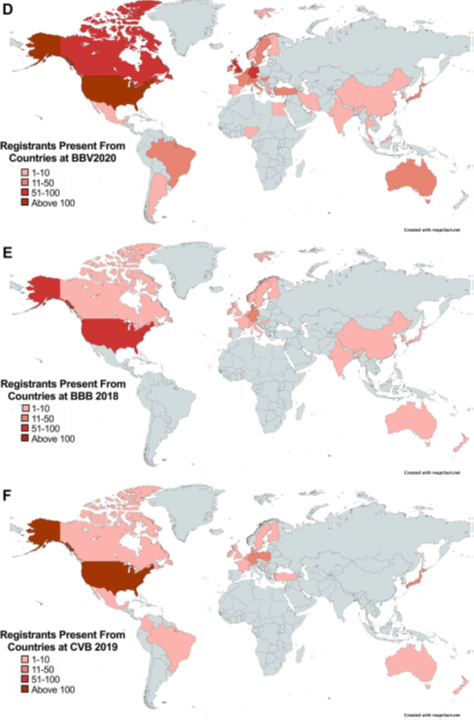
Our findings suggest that a virtual event such as the Brain Barriers Virtual 2020 seminar series provides easy access to science for researchers across all career stages around the globe. However, we recognize that limitations exist.
Protecting P-glycoprotein at the blood-brain barrier from degradation in an Alzheimer’s disease mouse model
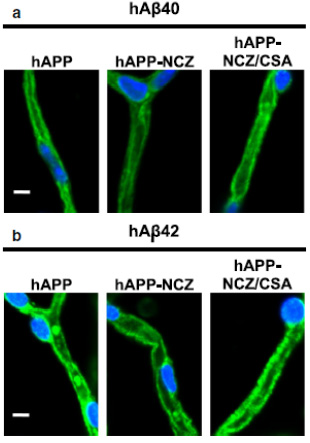
Treating hAPP mice with 5 mg/kg NCZ for 14 days increased P-gp levels to levels found in WT mice. Consistent with this, P-gp-mediated hAβ42 transport in brain capillaries was increased in NCZ-treated hAPP mice compared to untreated hAPP mice. Importantly, NCZ treatment significantly lowered hAβ40 and hAβ42 brain levels in hAPP mice, whereas hAβ40 and […]
David S.Miller: scientist, mentor, friend-a tribute and thank you

David S. Miller was Acting Scientific Director of the Division of Intramural Research at the National Institute of Environmental Health Sciences, National Institutes of Health, and Head of the Intracellular Regulation Group in the Laboratory of Toxicology and Pharmacology before he retired in 2016. David received his Ph.D. in biochemistry from the University of Maine […]
Cognitive decline, Aβ pathology, and blood–brain barrier function in aged 5xFAD mice
Patients with Alzheimer’s disease (AD) develop blood–brain barrier dysfunction to varying degrees. How aging impacts Aβ pathology, blood–brain barrier function, and cognitive decline in AD remains largely unknown. In this study, we used 5xFAD mice to investigate changes in Aβ levels, barrier function, and cognitive decline over time.